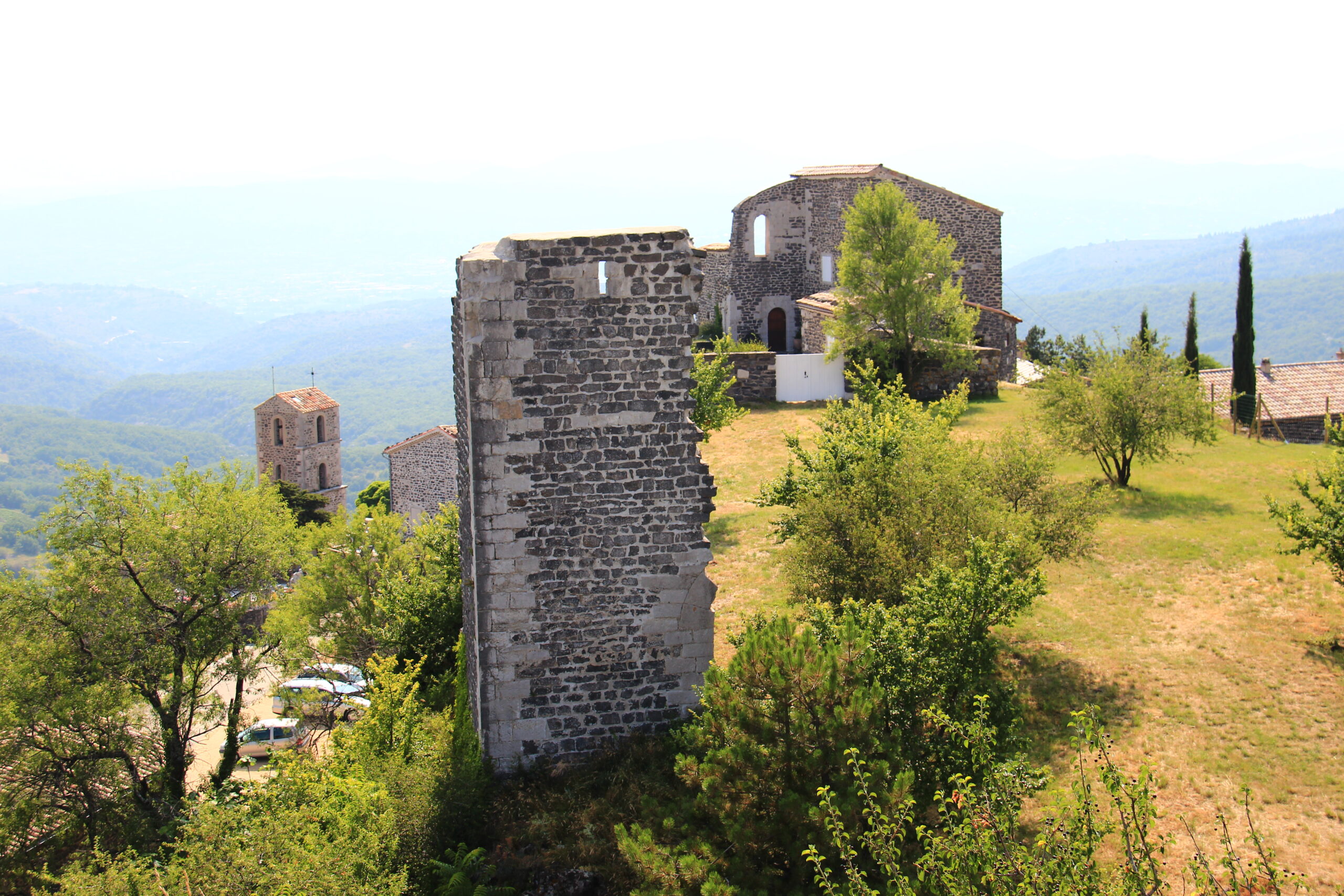
Tour de Marnas
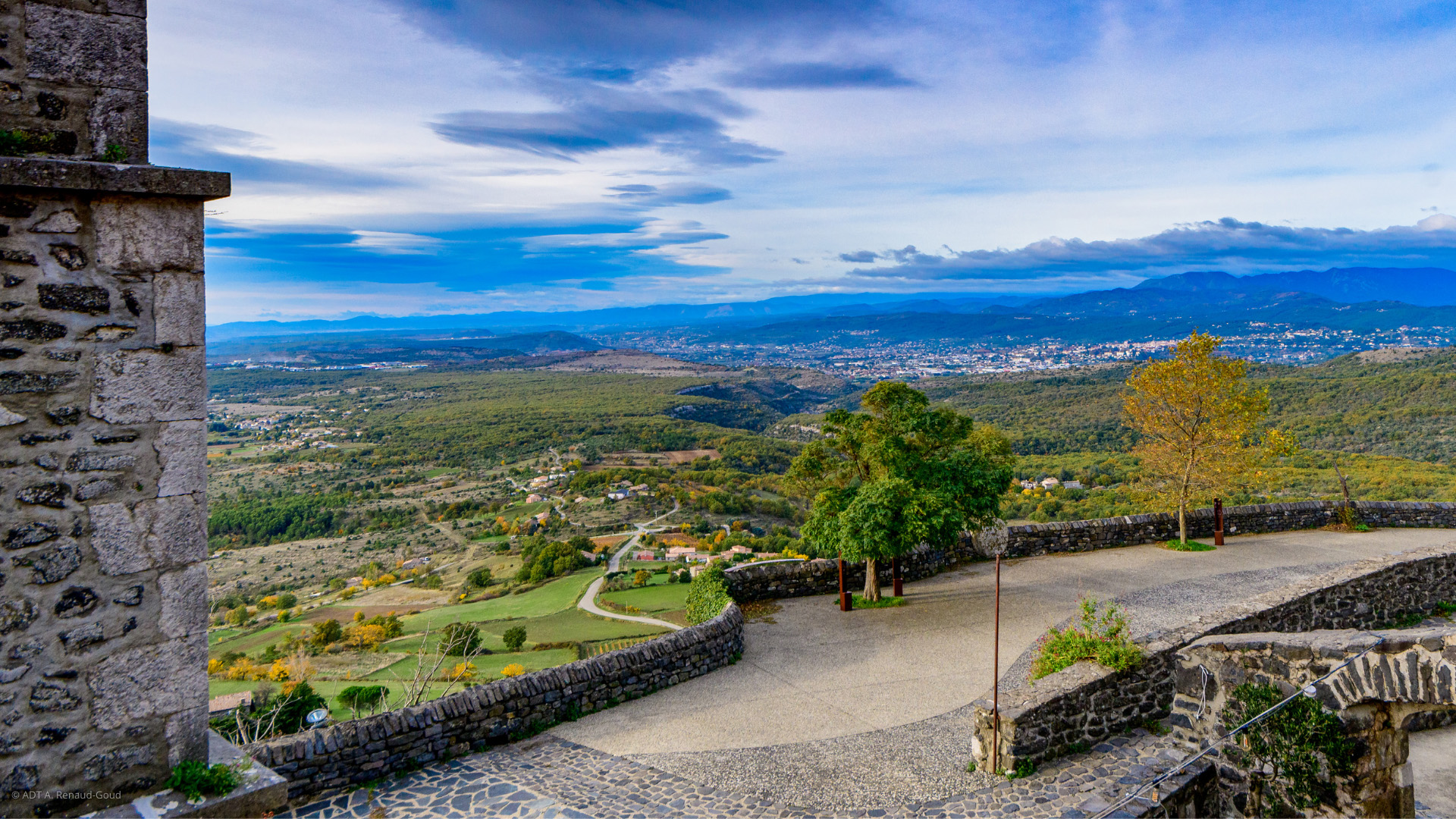
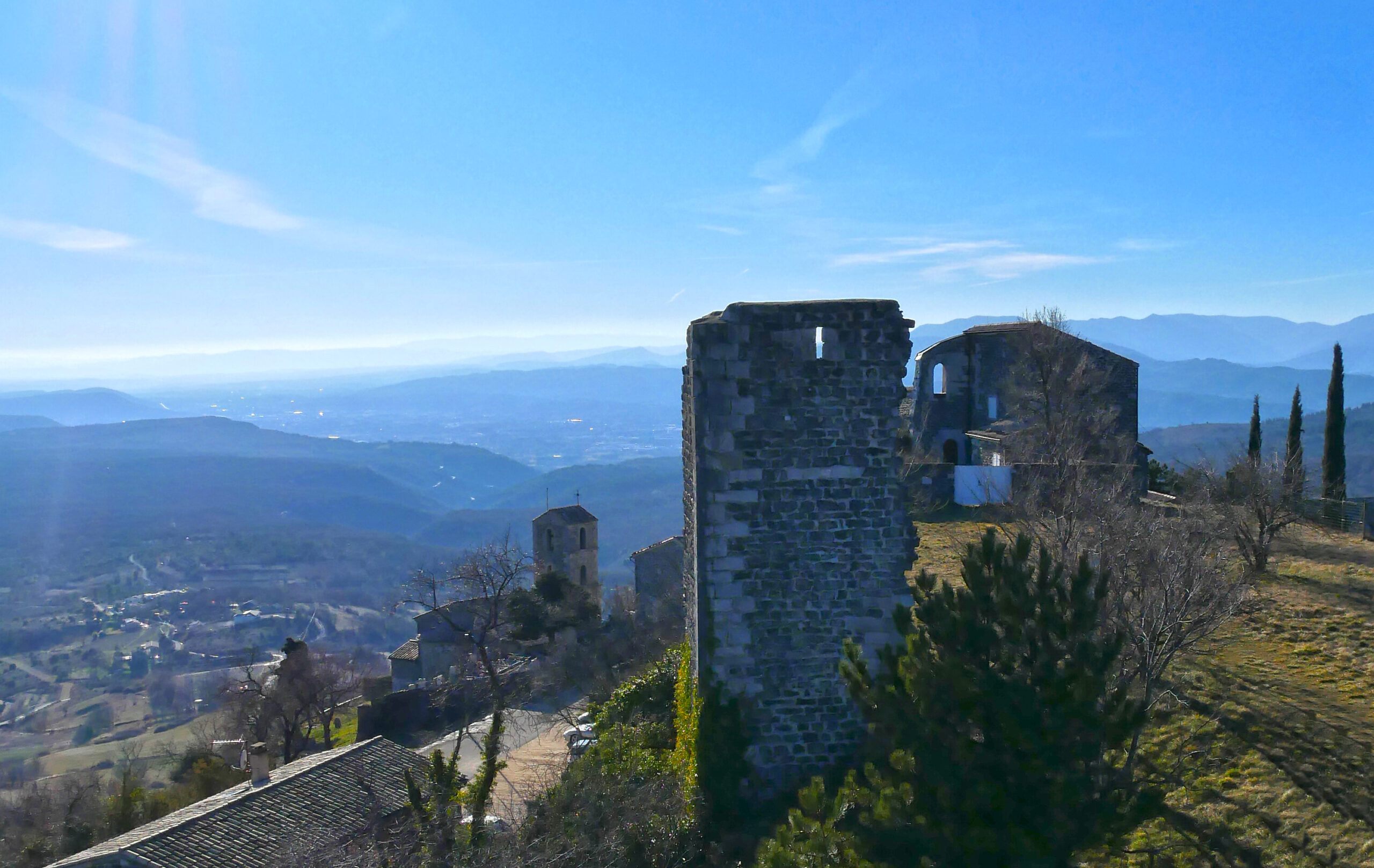
This tower is the only thing that remains of the castle.
This tower is the only thing that remains of the castle.
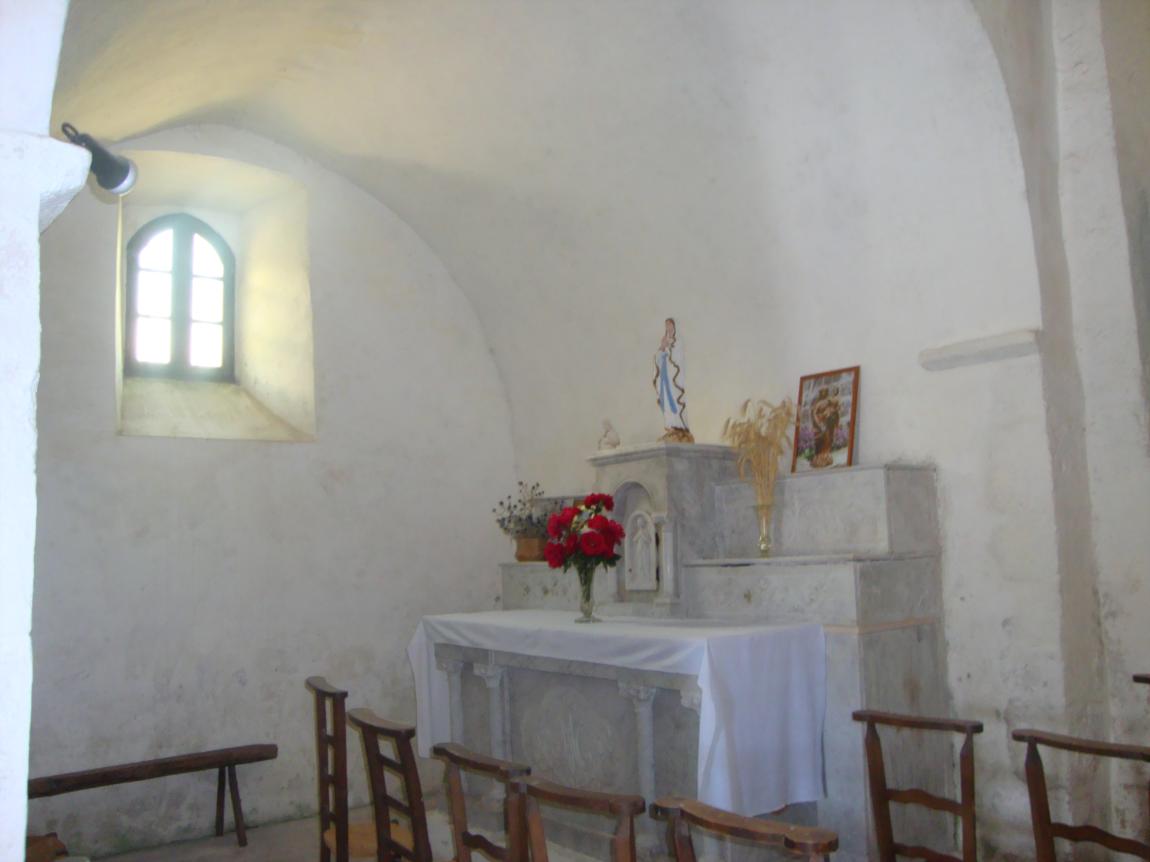
The church is one of the hundreds of places of worship of primitive Roman style built from the 11th century and has been modified several times, as often.
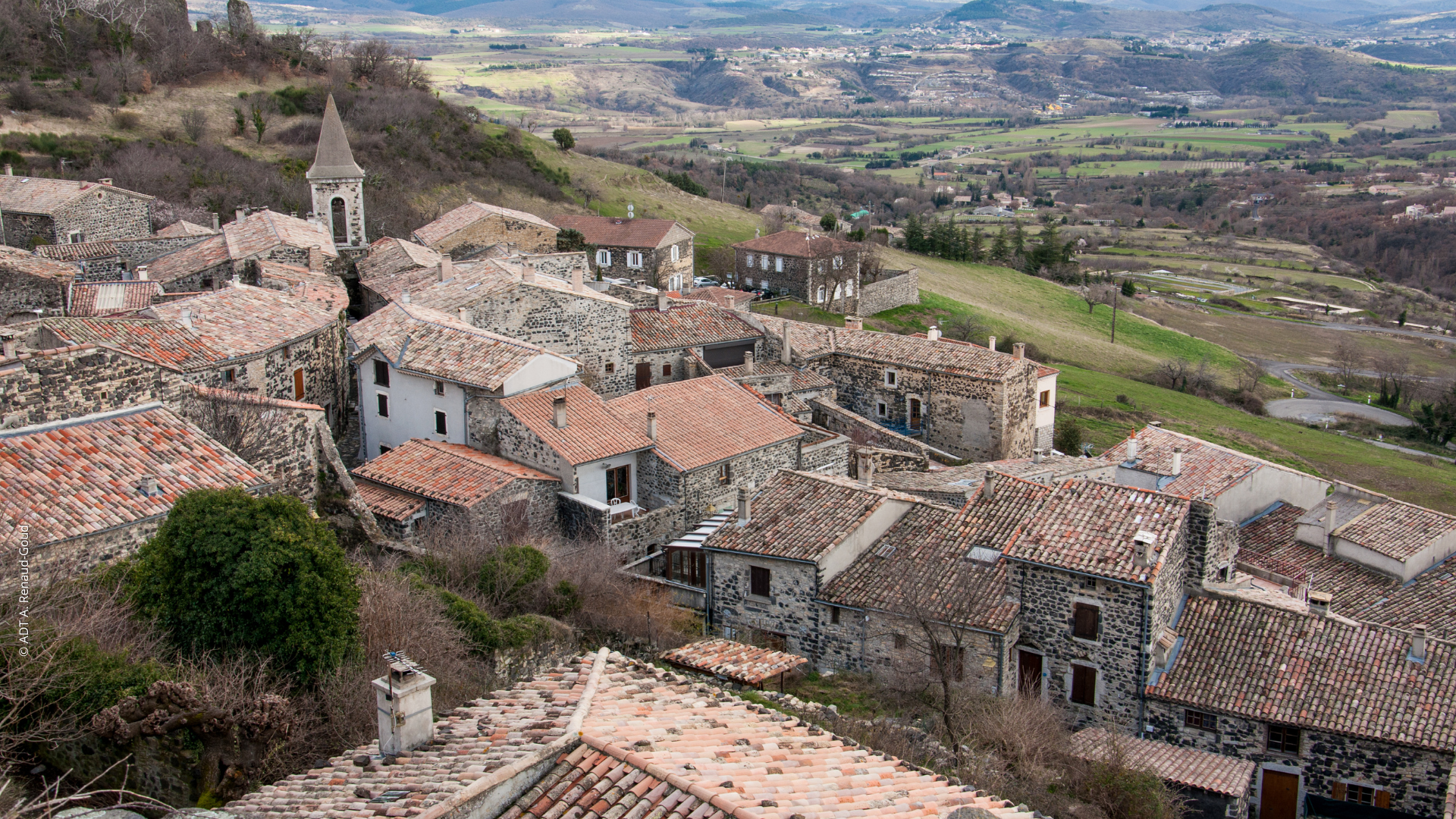
It is the highest village in this area-from here you have a real birds eye view. At one time a fortified wall surrounded it, today just a few architectural elements remain including the ruins of its castle. Labeled "Village of character" since 2020.
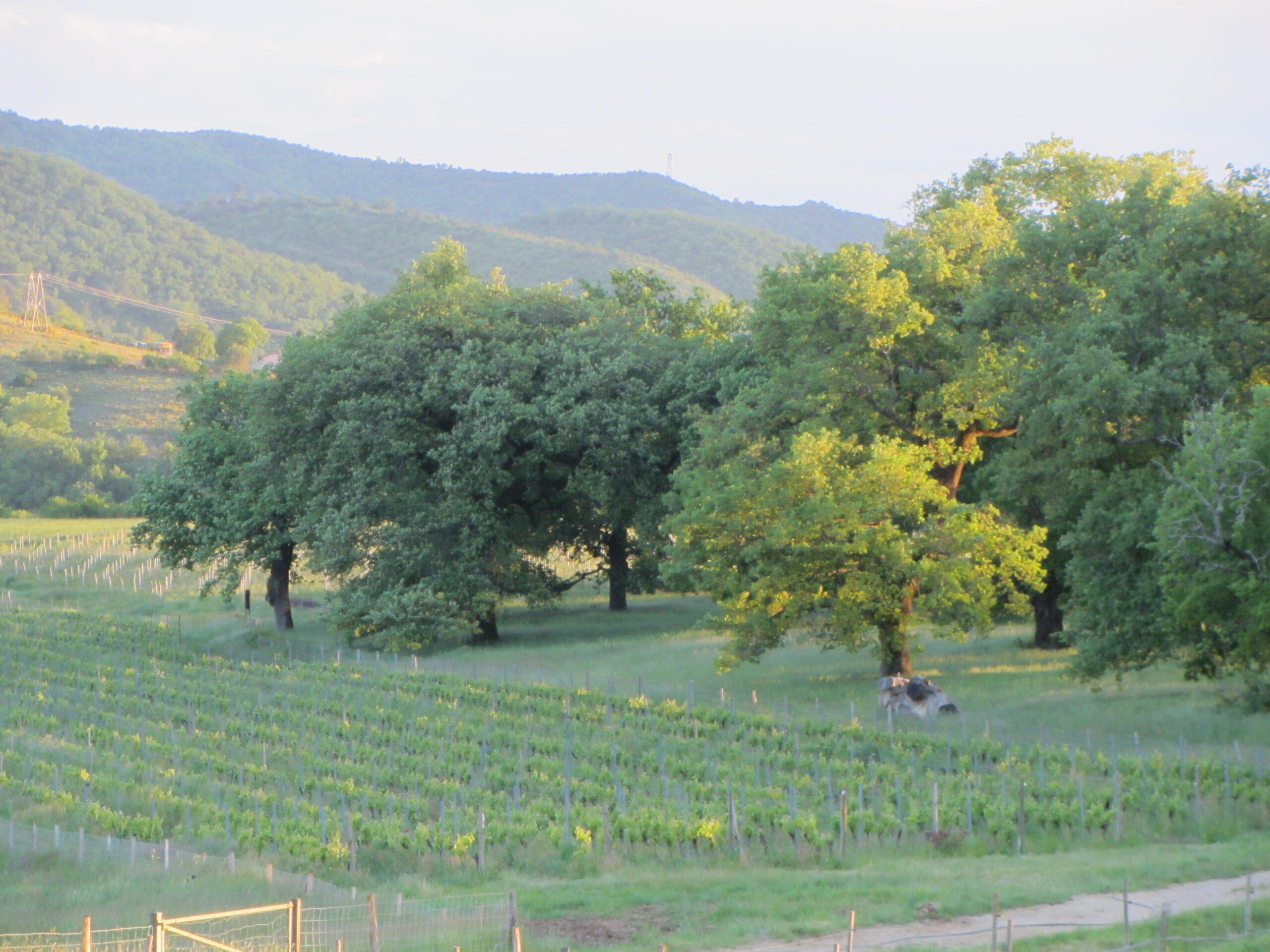
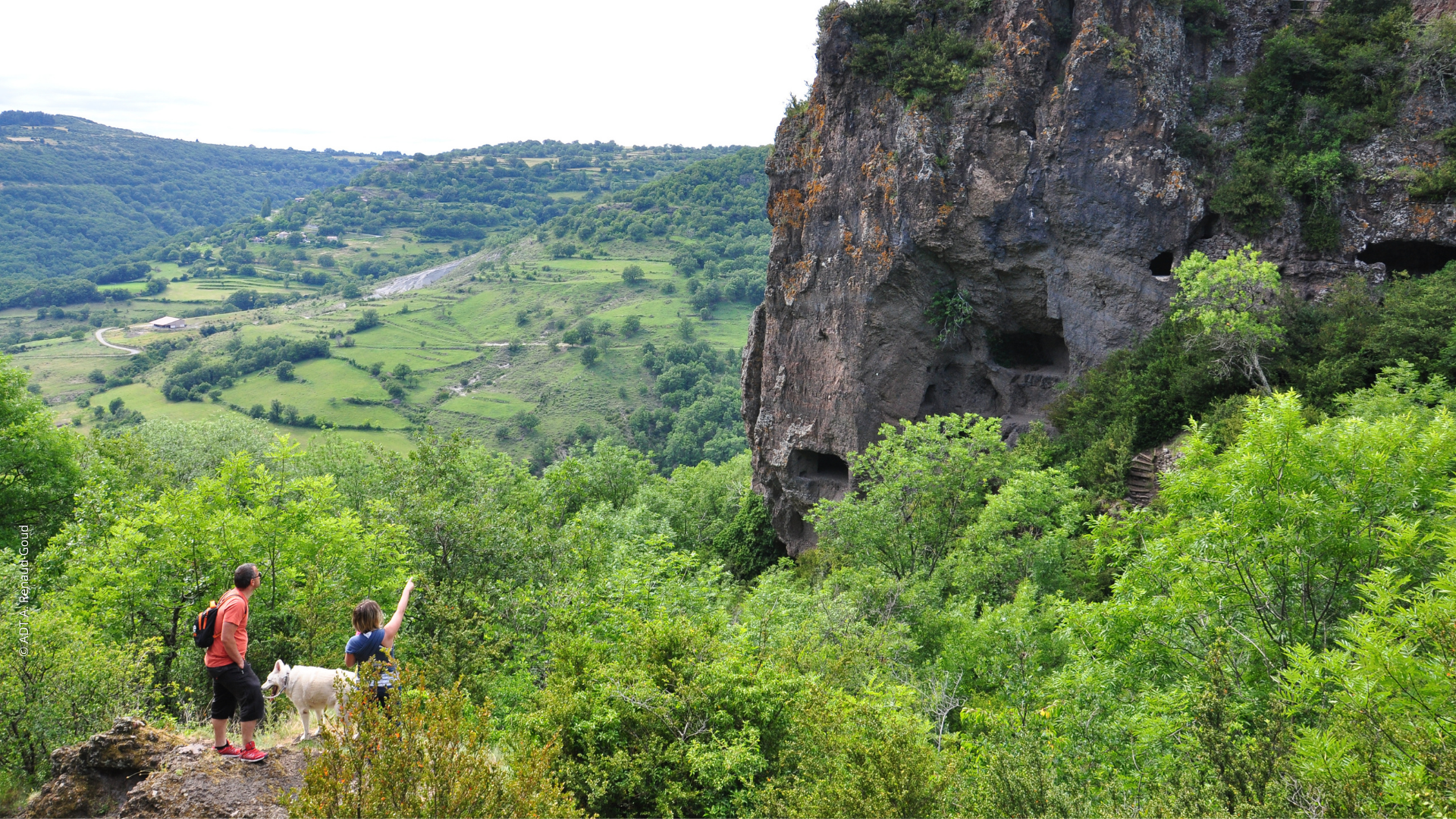
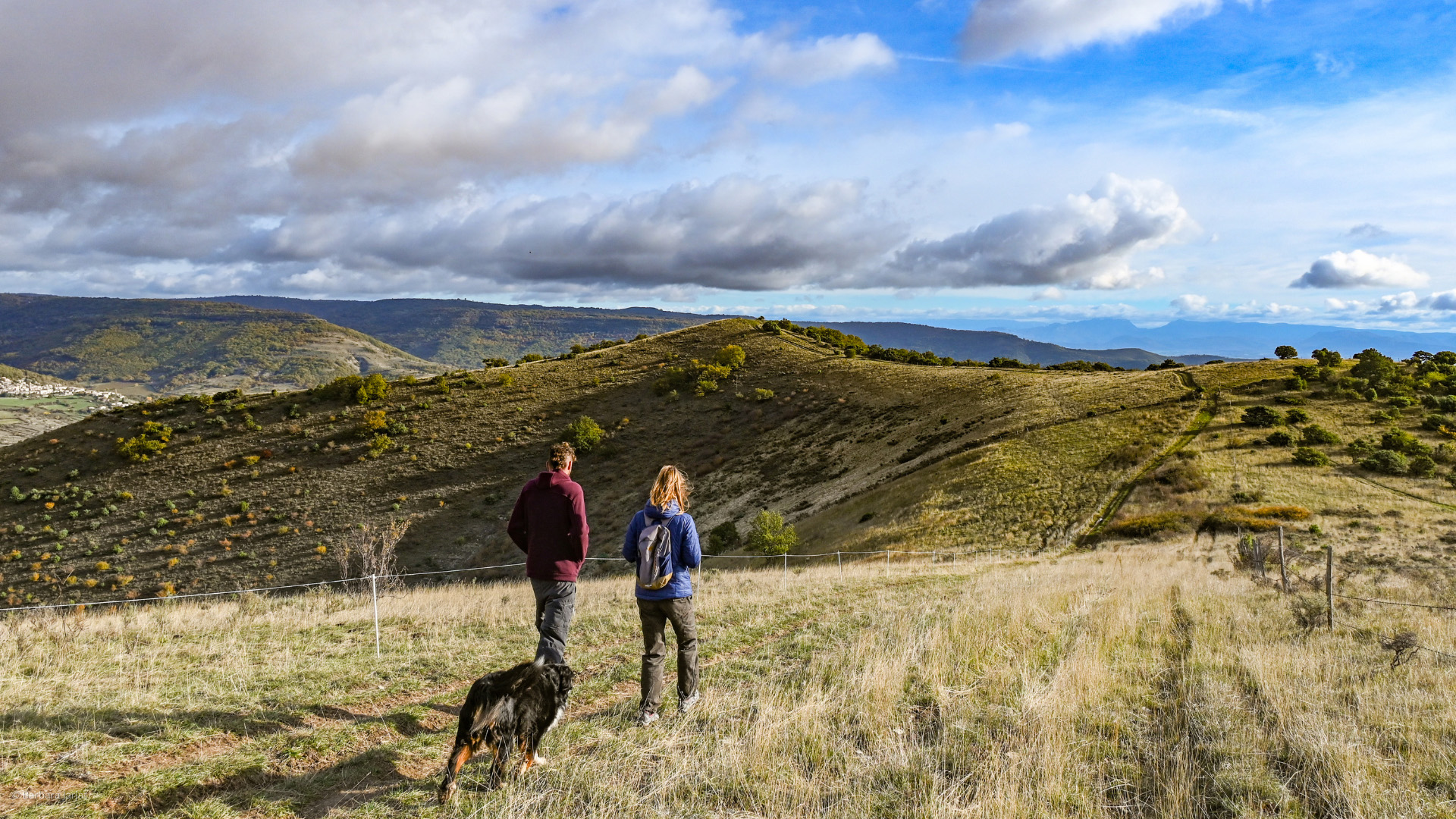
Berzeme is located in the plateau of the Coiron. You leave the landscape of valleys and cliffs to discover lush green fields with green pastures and hedgerows.
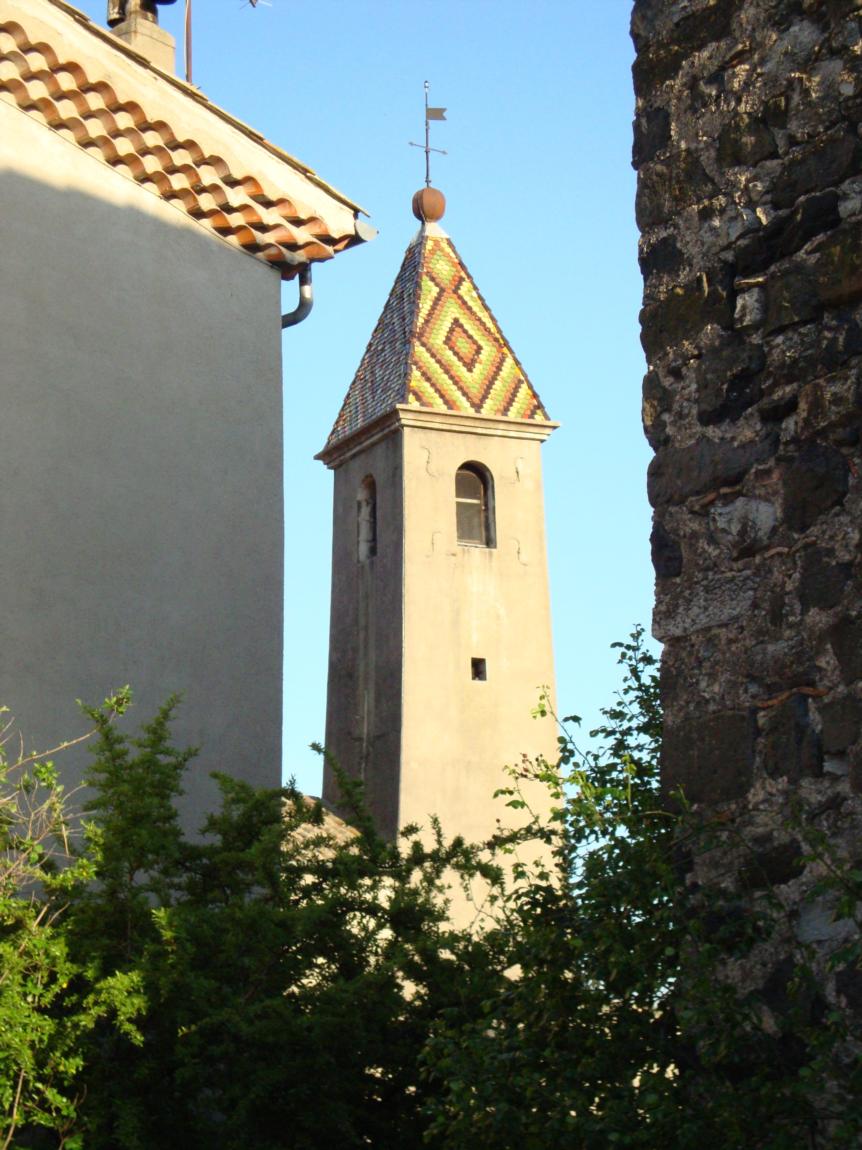
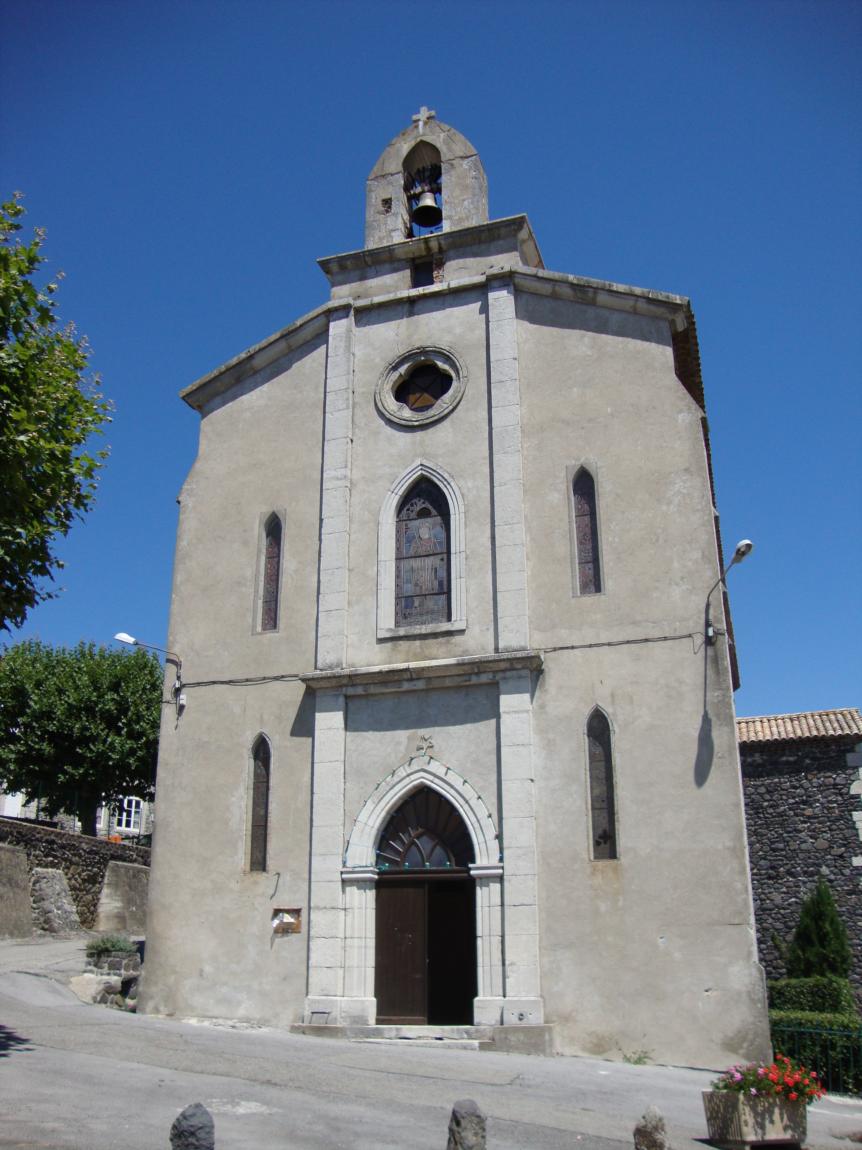
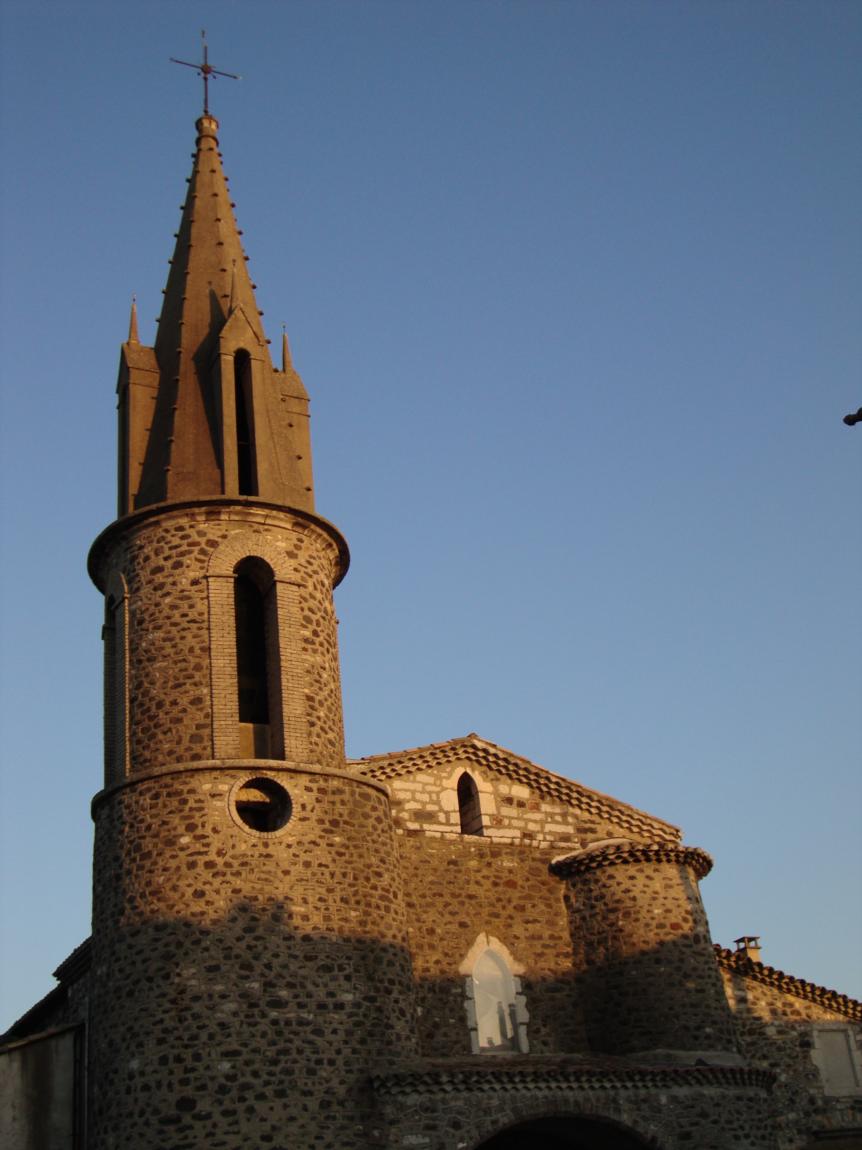
Neogothic church from de 19th century. It is dedicates to Saint Accons, bishop of Viviers during the 8th century. The village bore his name for a long time.
This village was fortified at the Middle Ages during the 100 years war and some of its ramparts are still standing today. It is situated on the road leading to Alba at the border of where the black basalt columns and white limestone rock are found.
Discover 16th-century agriculture through the writings of Olivier de Serres, an emblematic figure of modern agronomy.
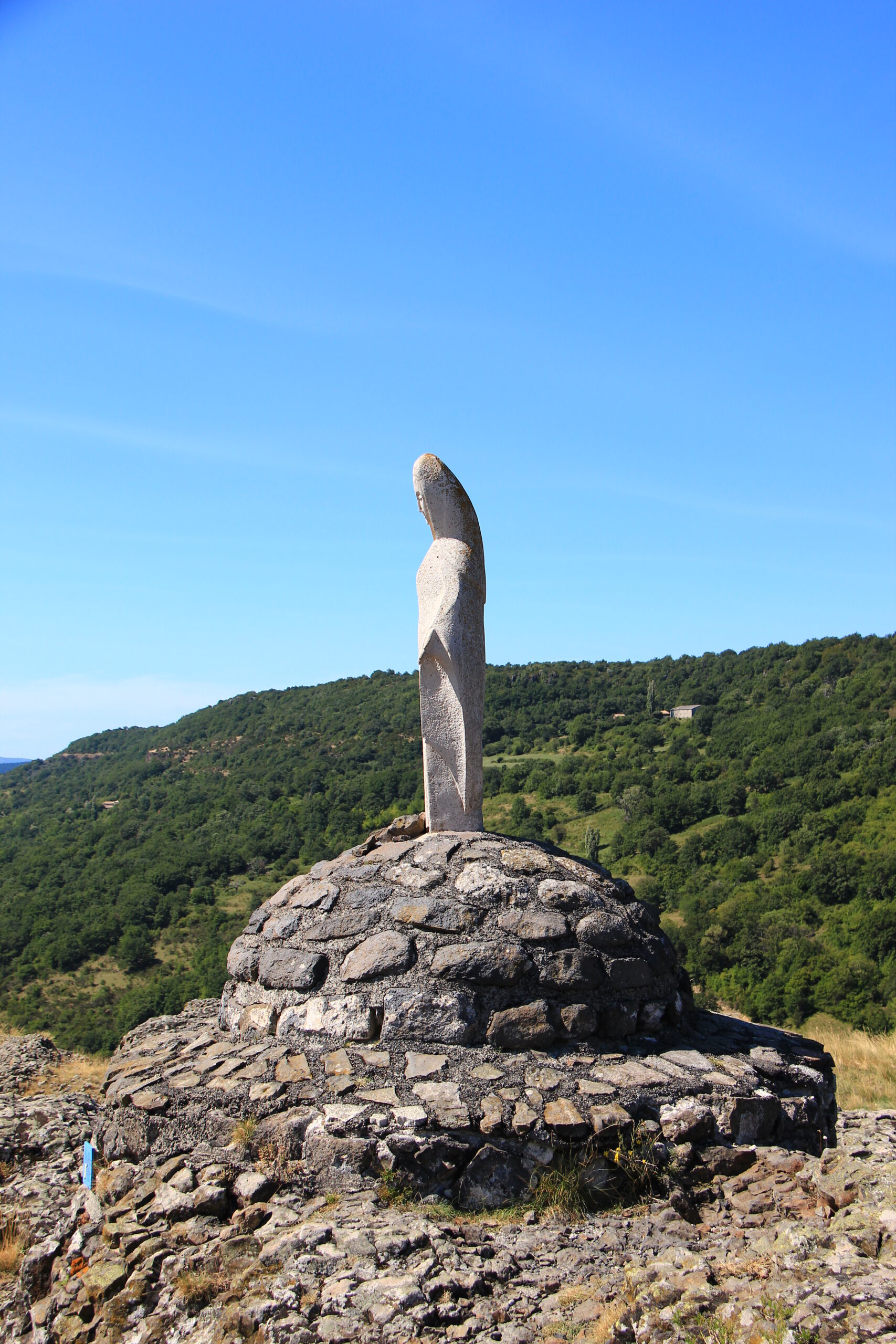
Statue of the Virgin at the top of the basaltic neck.
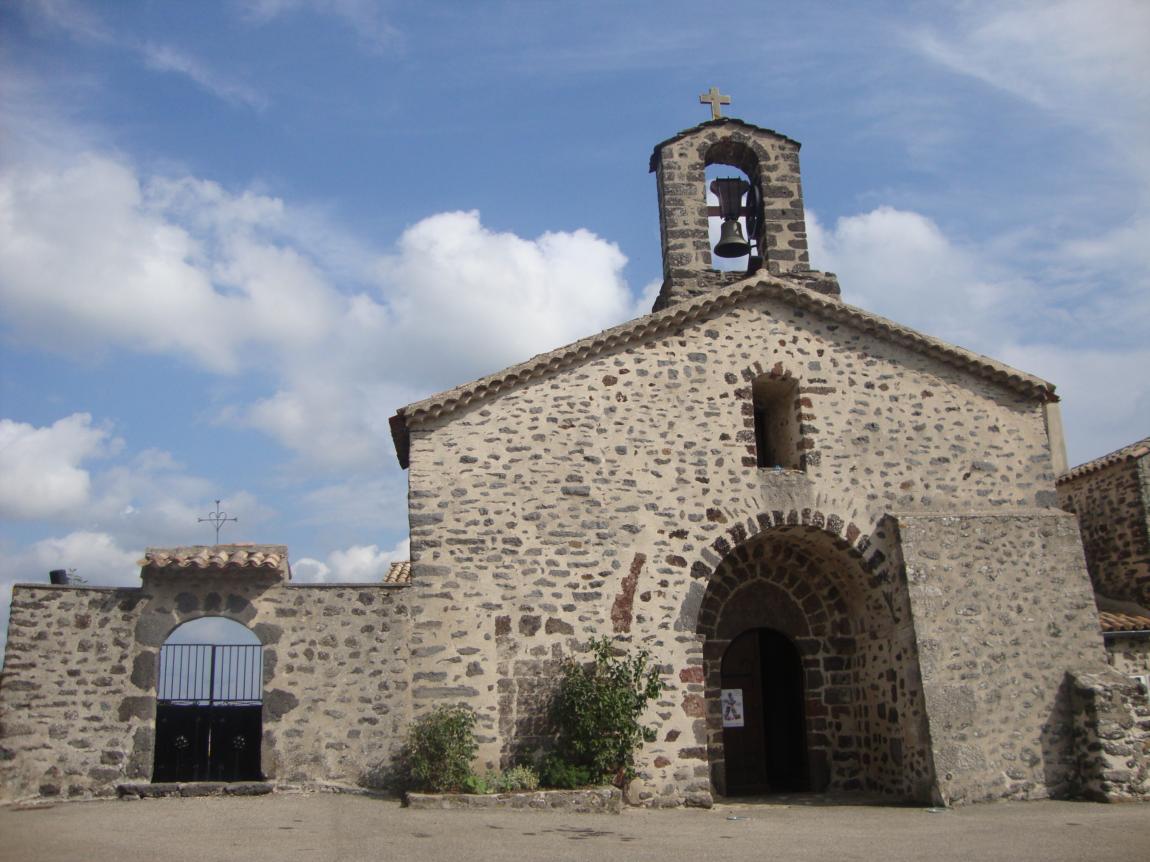
The church is part of the National Registry of Historical monuments. Dédicate to Saint-Genest, the church is believed to date the 11th or 12th century. It has been built on an older place of worship.
A very touching story: It has been said that since old times this statue (the Virgen Mary with the Child Jesus) was sculpted by a young shepherd of the Bas-Montbrun area in a cherry grove.