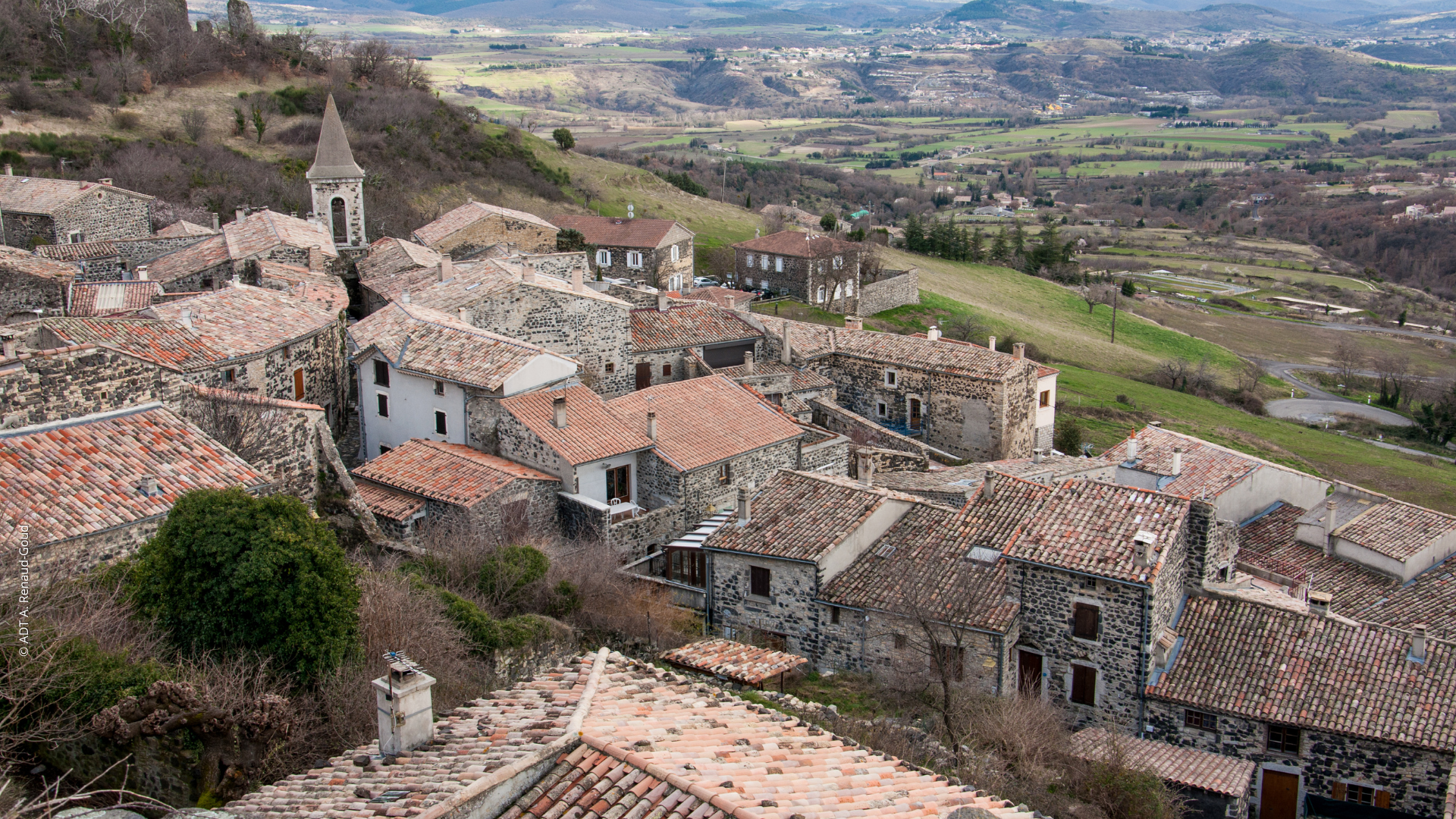
Village of Saint-Gineys-en-Coiron
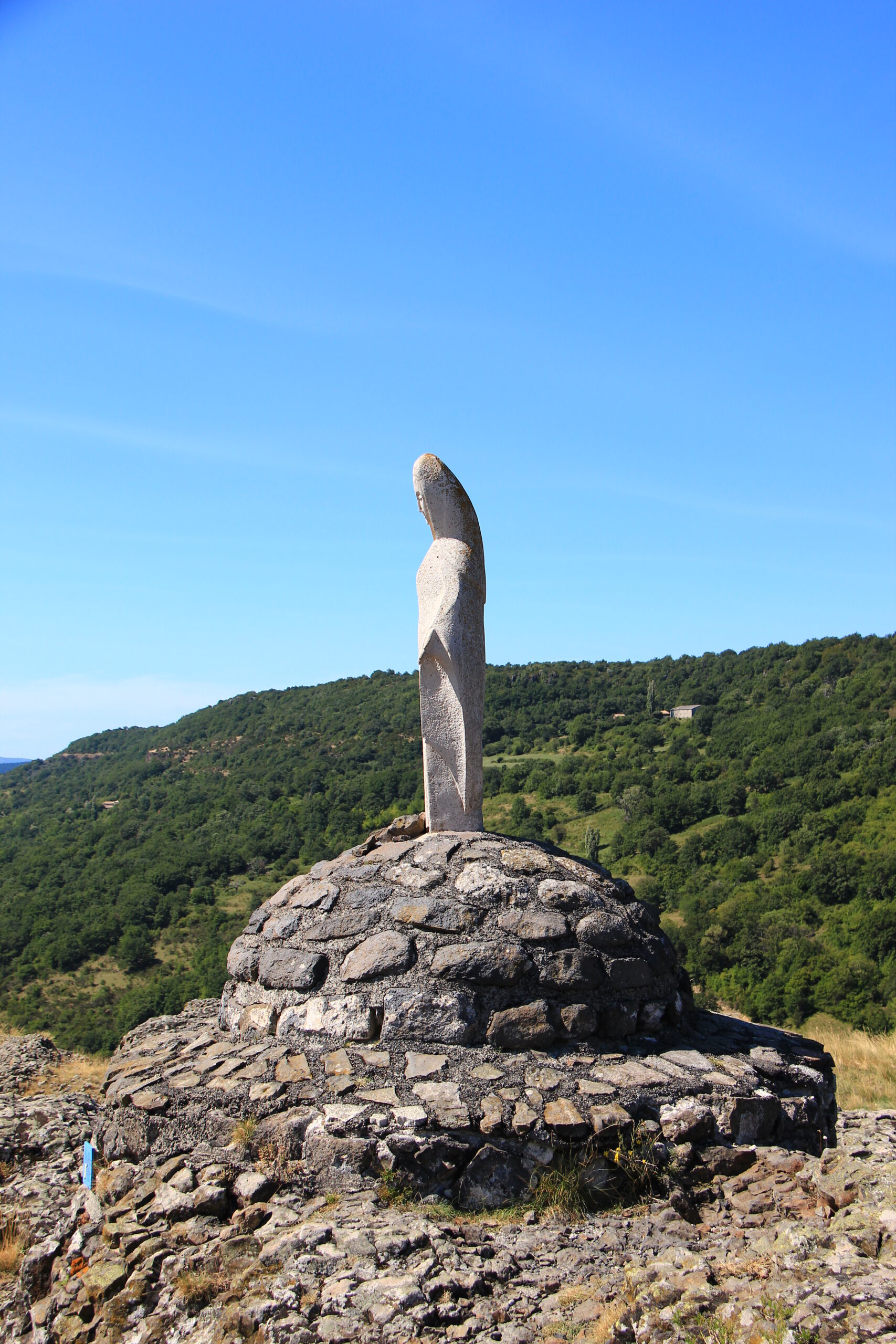
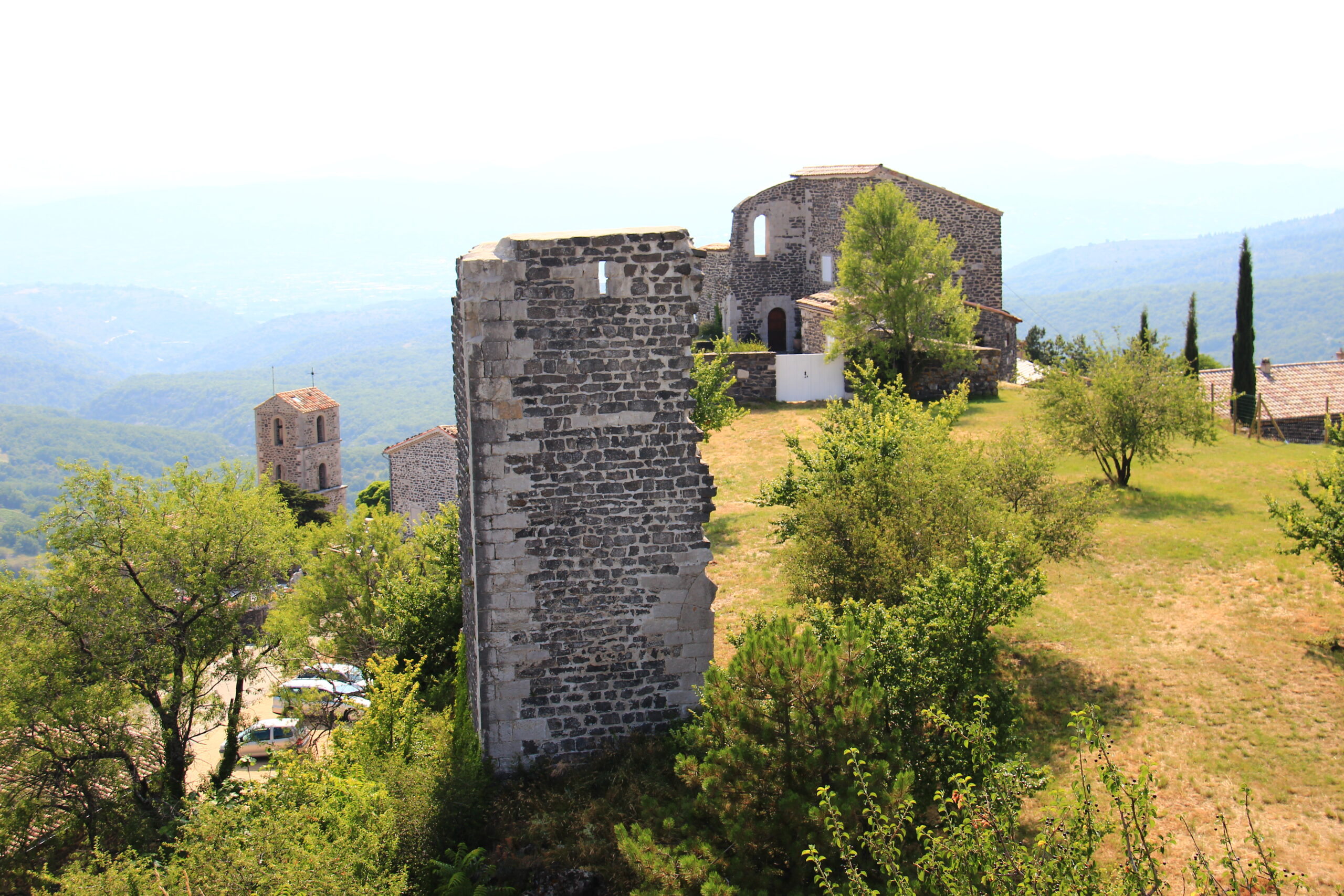
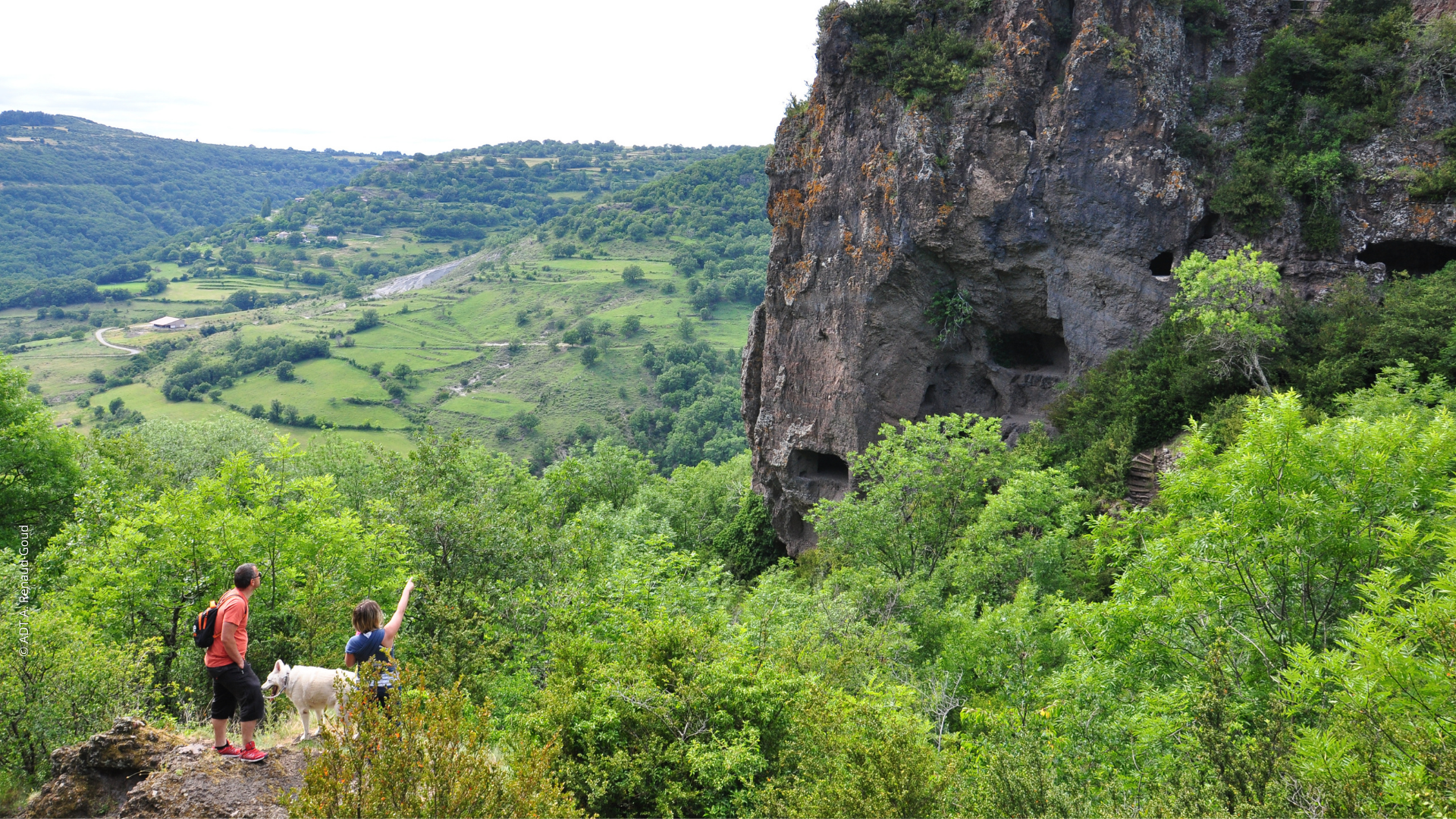
At the southern end of the village you will find an exceptional archeological and geological site, called Balmes de Montbrun. The name Balmes d'Montbrun or burned mountain, evokes its volcanic origins.
Campsite in South Ardèche fitted out with respect for nature with spaced out pitches. Swimming pools, river access and family entertainment
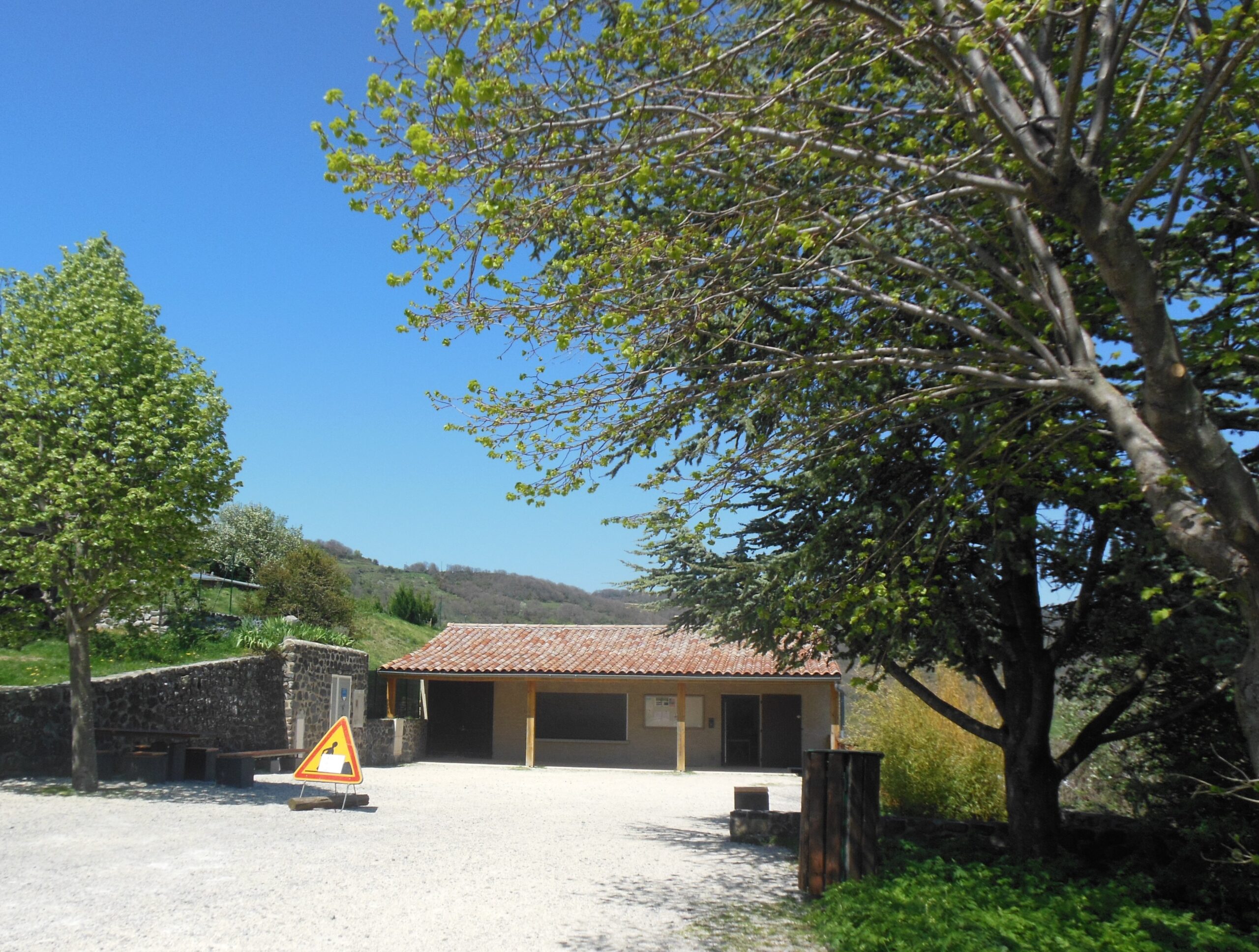
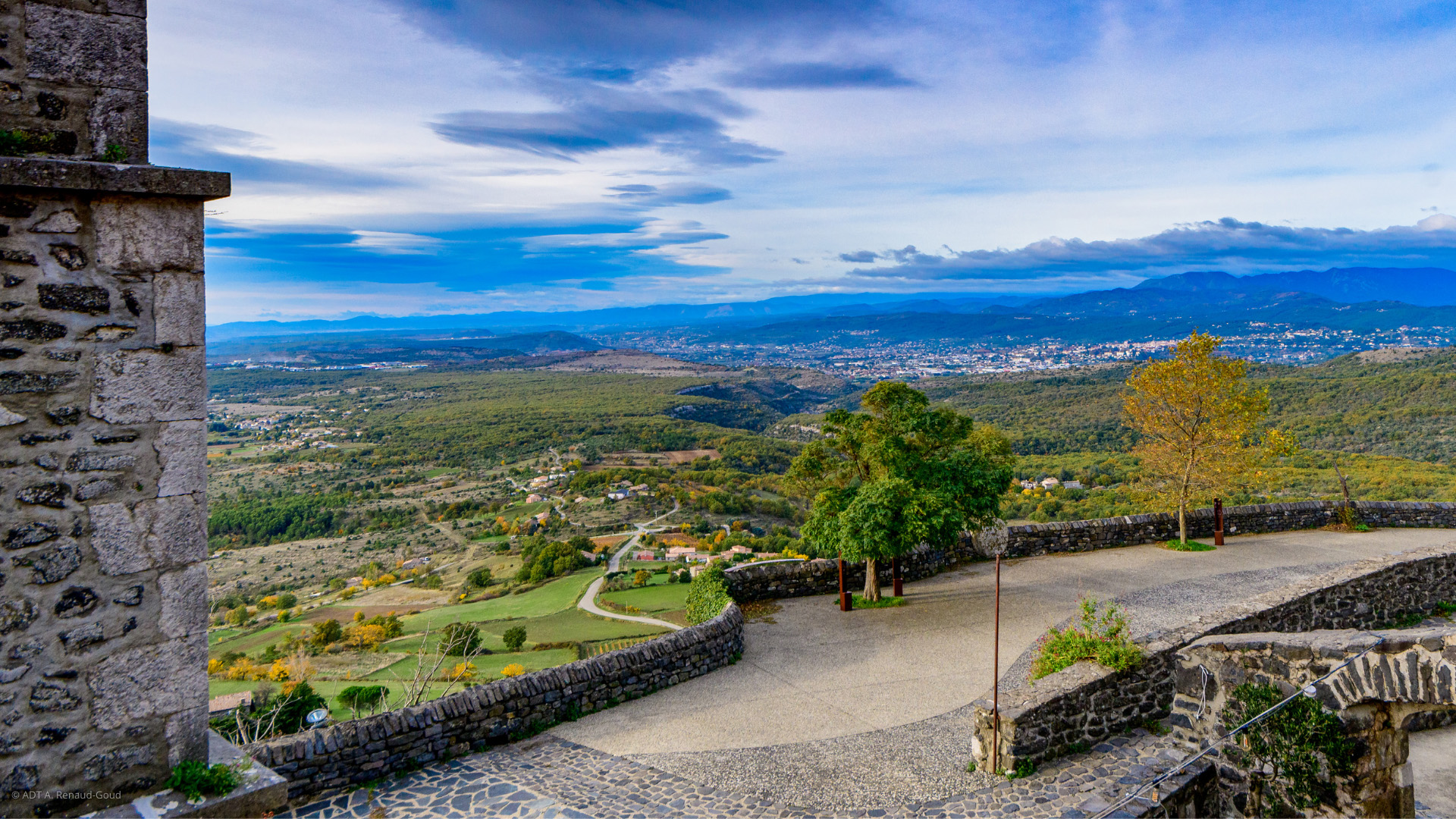
At the earth of this picturesque village, you can found a table and a big green grass ground to picnic. The church of the village is classified as Historical Monument.
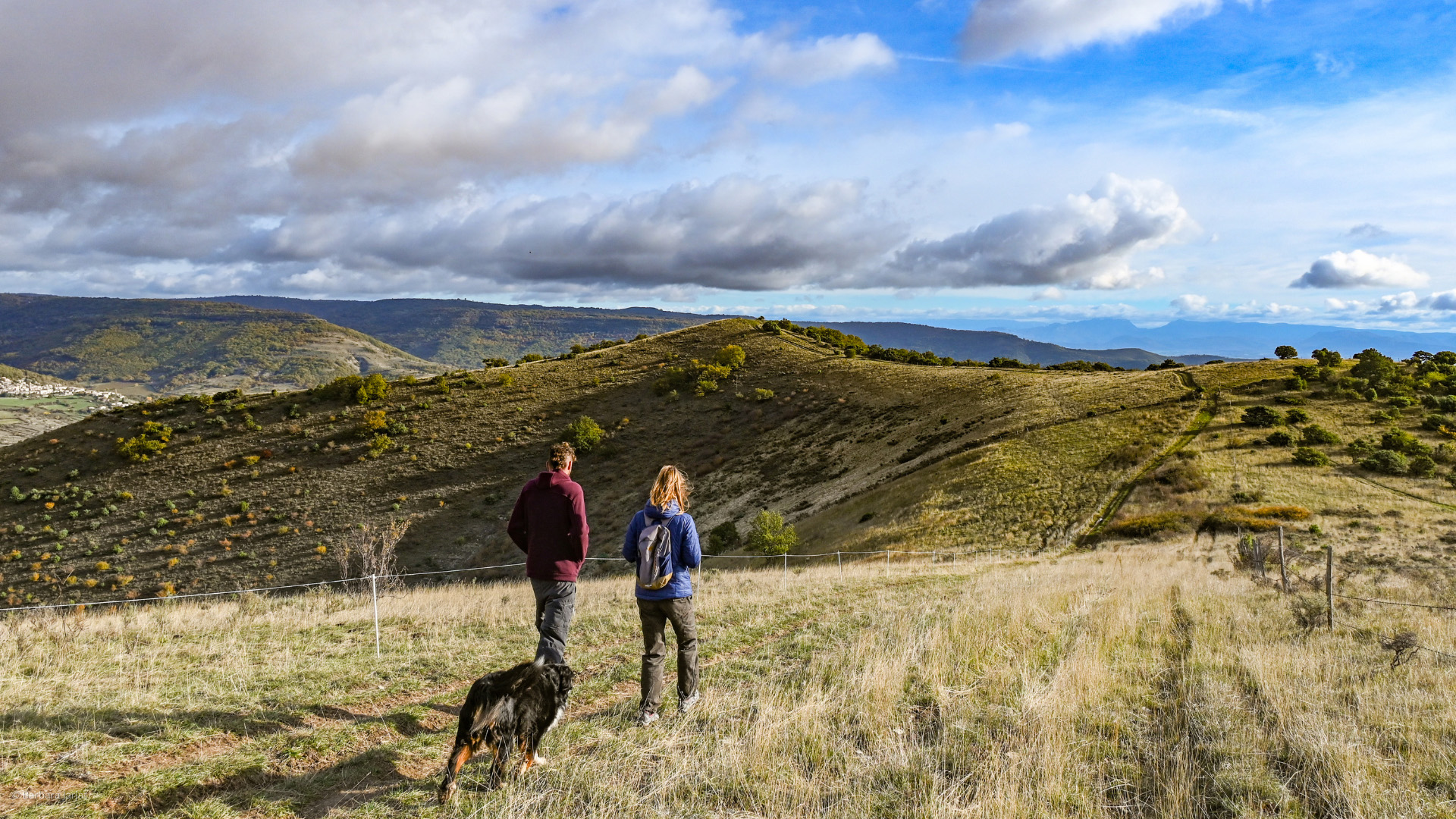
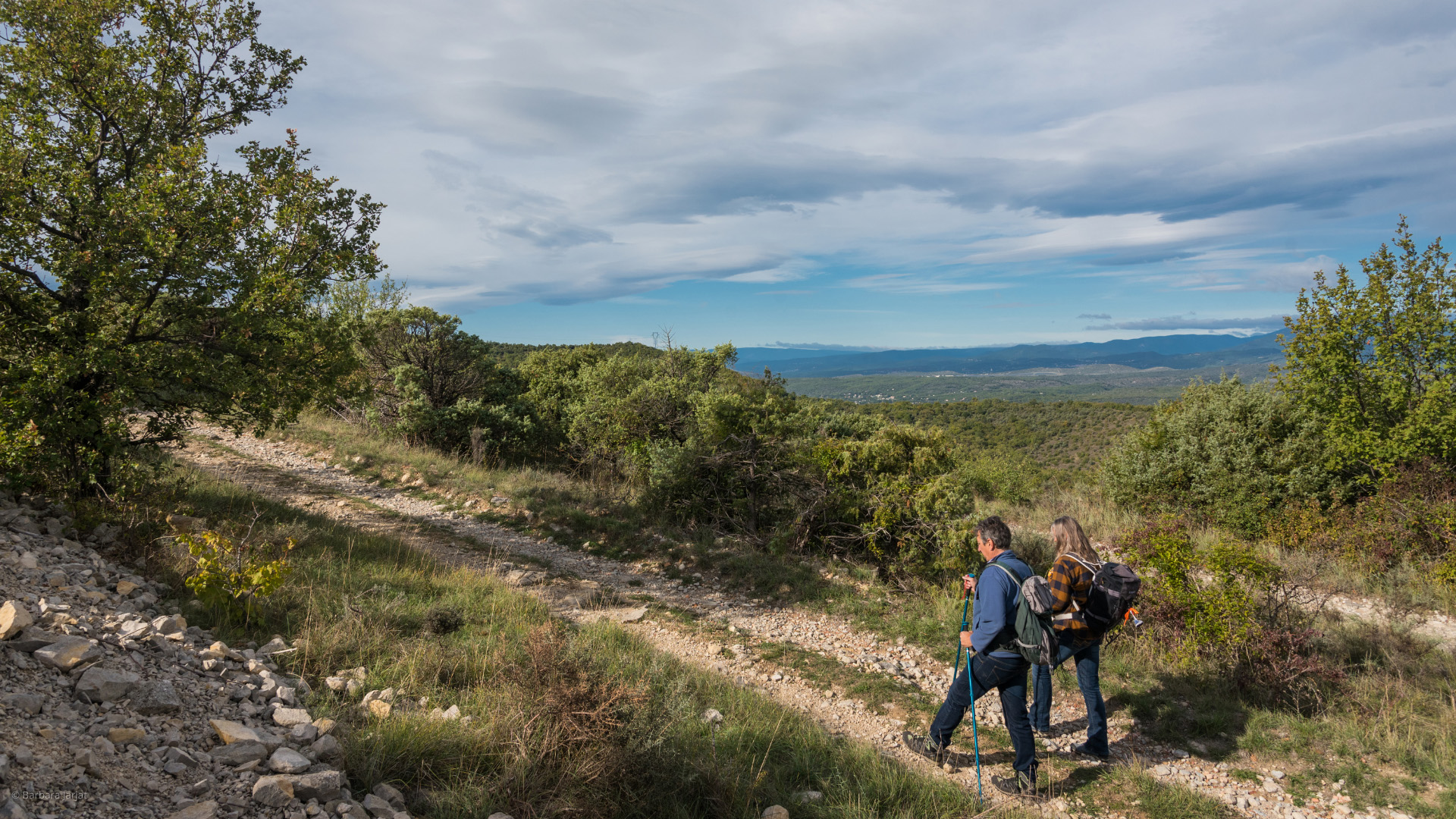
Bike loop along the Coiron volcanic massif, from authentic villages to breathtaking panoramas. Departure from St Jean le Centenier.
Not far from the city center, this picnic area is in a recreational area where you will find games for children. Adjoining public toilets are accessible to people with reduced mobility.
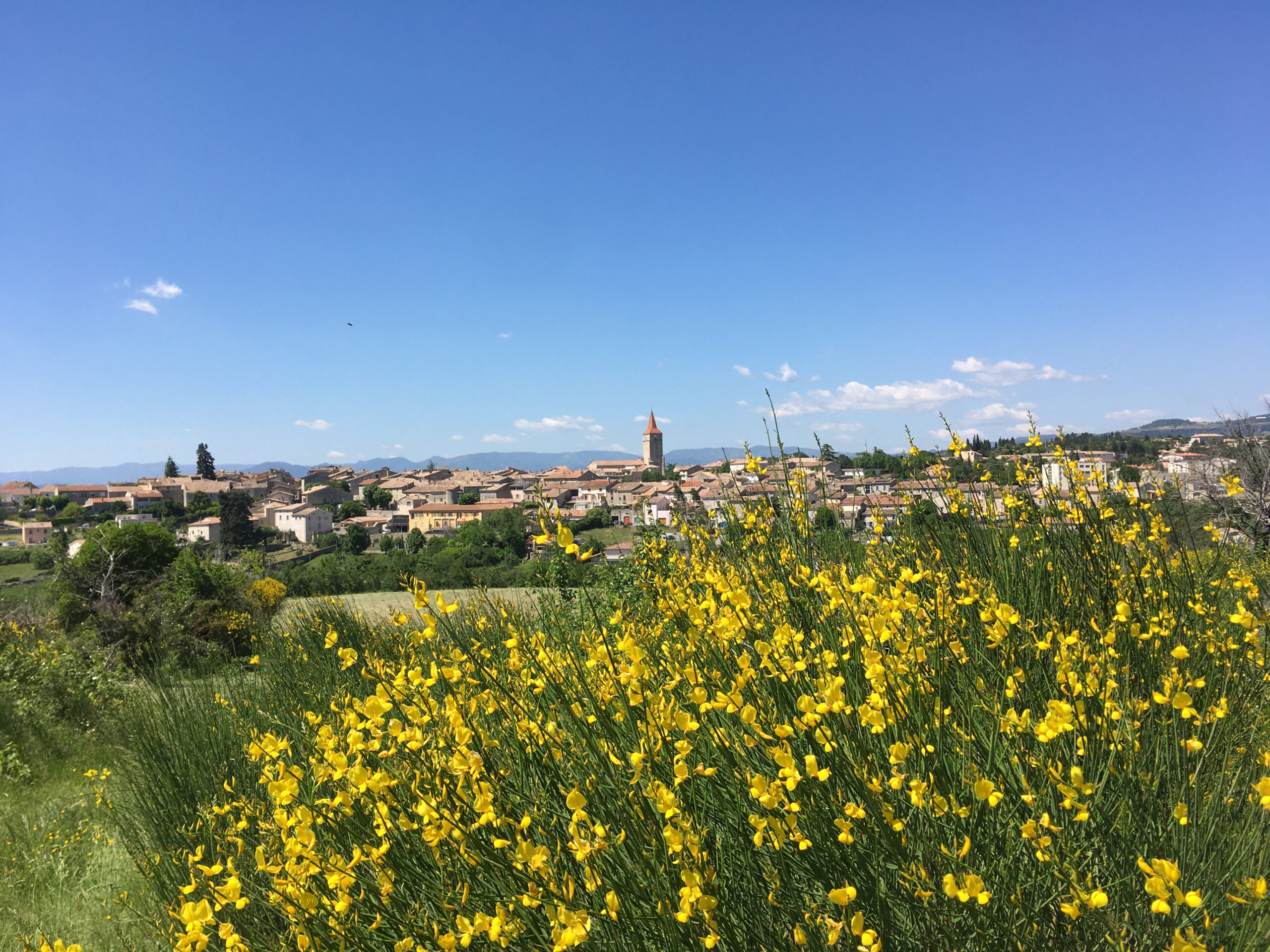
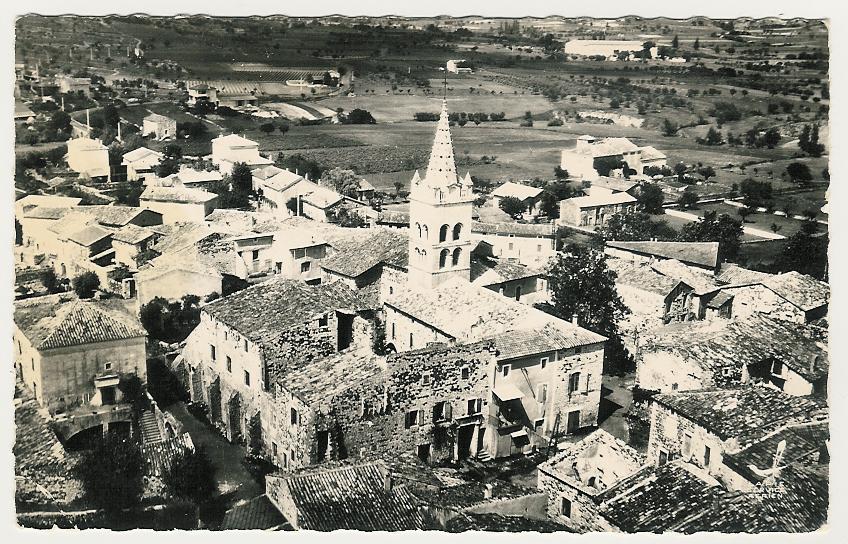
From the national roadway 102, the village can be seen with its elegant bell tower, tiled rooftops and the beautiful silhouette of its convent. There are traces of Neolithic life, noting the ancient presence of man in Lavilledieu.
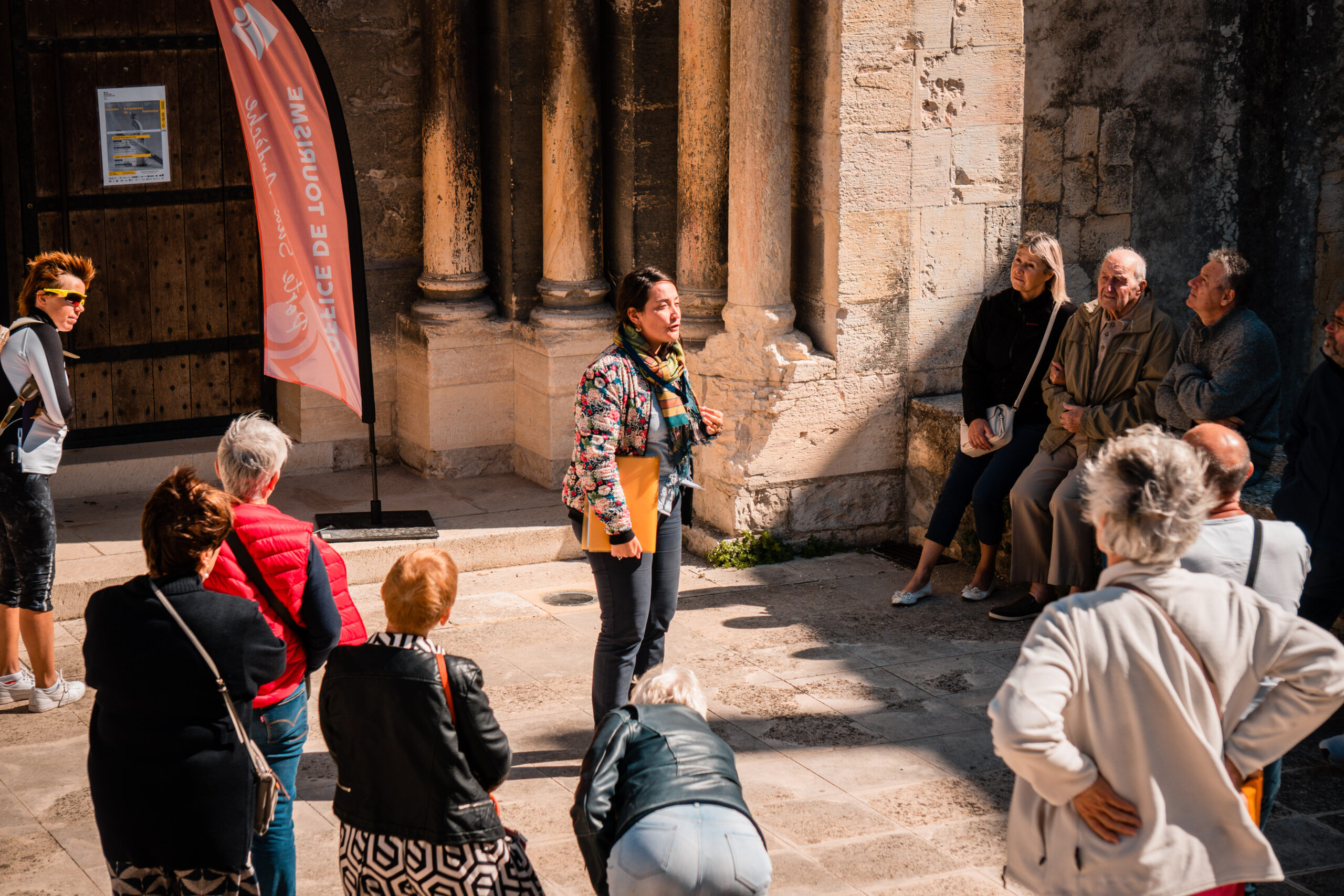
You will be surprised by the architectural richness found in the city. As you stroll through its walkways you will find old buildings with its royal architecture, and 16th century Hotels, and even its old prison interesting to see and visit.
.Follow in the footsteps of the Marquis of Vogüé and discover the history of this castle that dominates the Vogüé village, on the banks of the Ardèche river. Historical rooms and magnificent hanging gardens. Explore on your own or with a guided tour.
The picnic area (with 3 tables) is located in the center of this picturesque village next to the volcanic plateau of Coiron. This space is grassed. This area is not accessible to animals
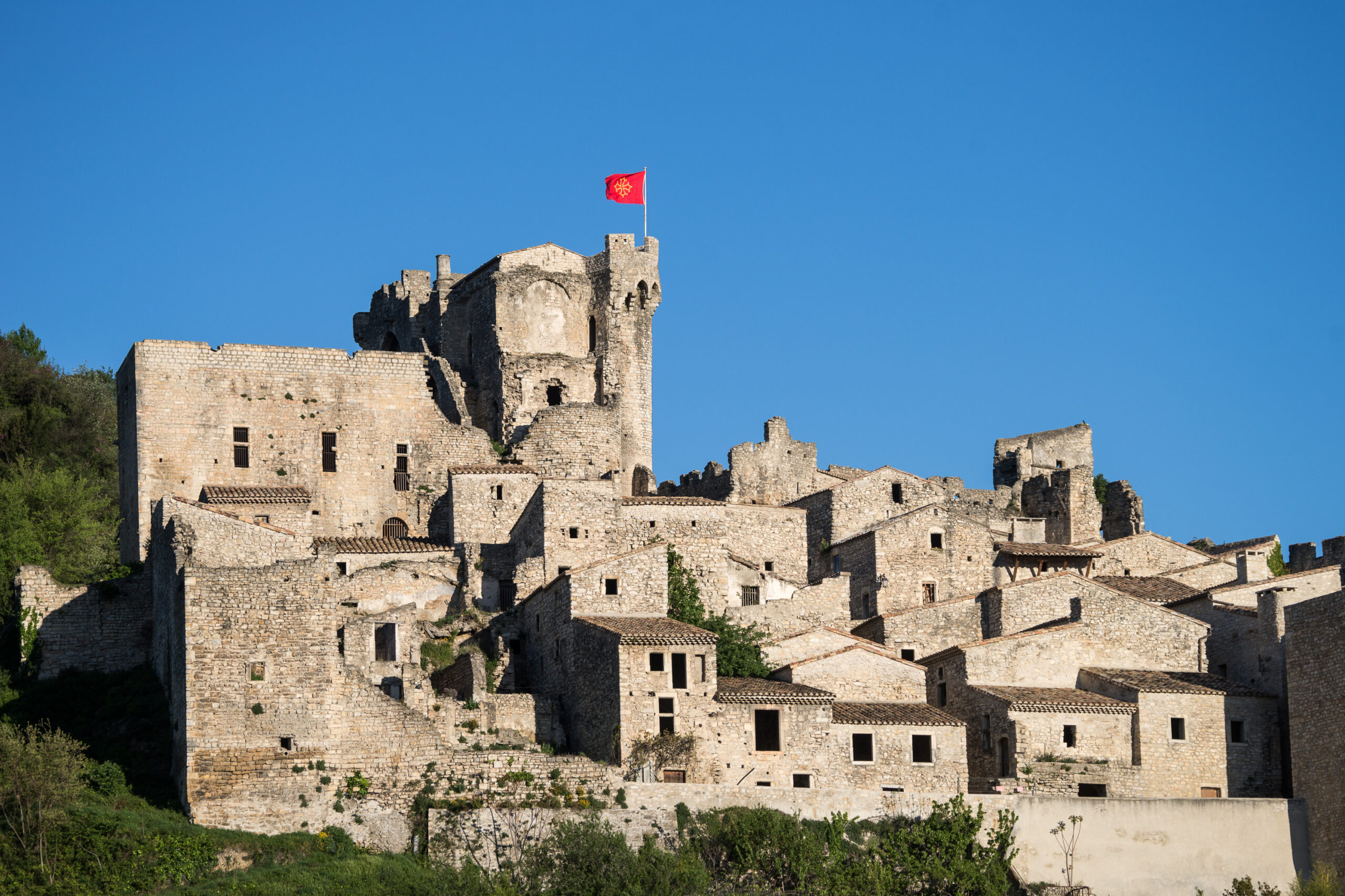
This castle’s medieval and renaissance architecture is unique to the area. It is open to the public all year long except in February. During the summer there are guided tours and medieval activities. Documentation in English.